CBM Case Study: How a Suite of 6 AI Agents Automated Complex B2B Equipment Sales
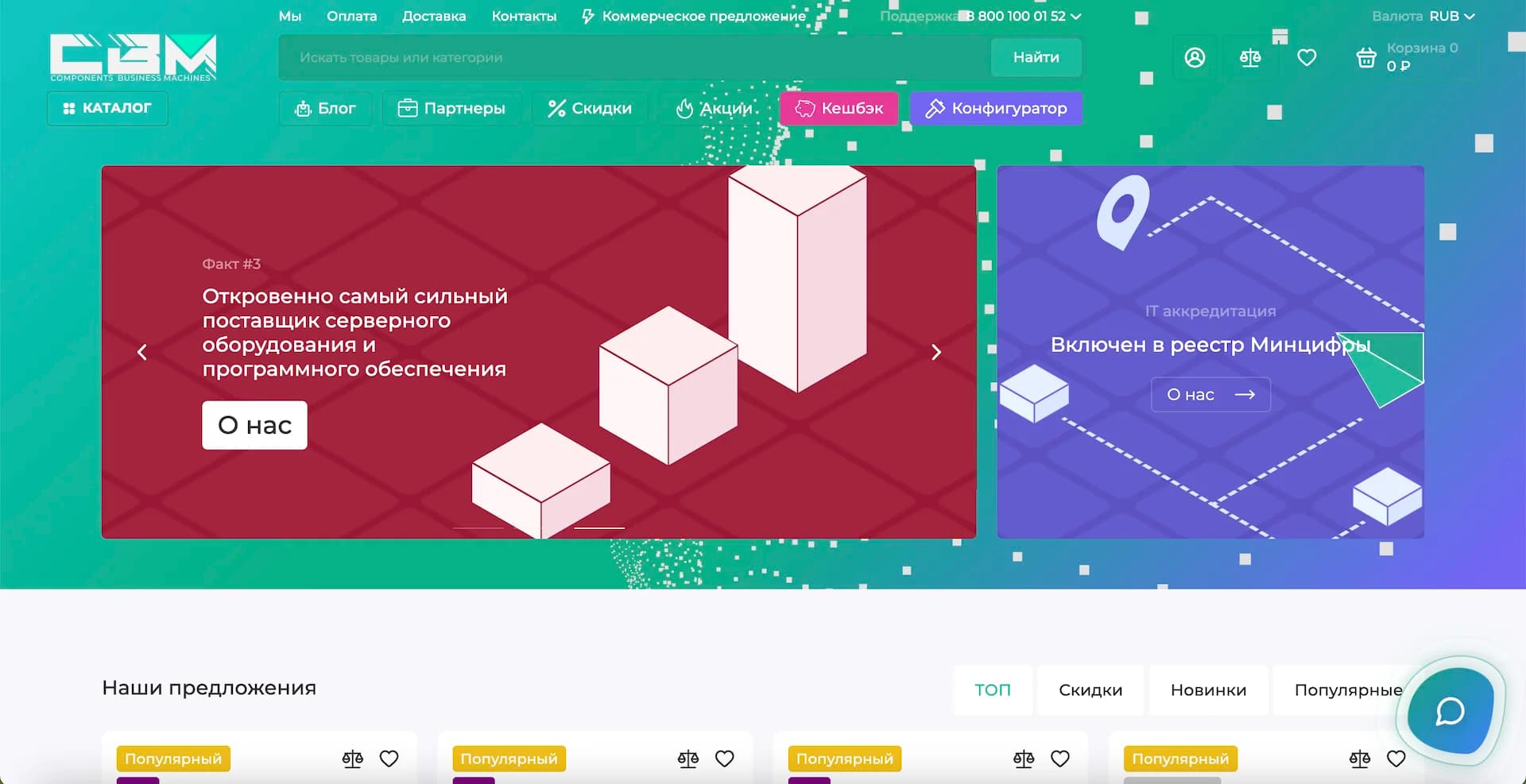
Every B2B sales manager knows how much time is wasted on routine tasks: monitoring competitor prices, drafting commercial proposals, answering trainees' repetitive technical questions, and trying to reach out to dormant clients.
In this case study, we'll share how CBM, a supplier of server and network equipment for legal entities, solved these problems by implementing a suite of 6 digital employees from Plantation.
Phase 1. First Contact: Smart AI Chat on the Website
The implementation of AI agents for business began with the storefront. The company installed a smart AI widget on their website. Its main task is to consult visitors 24/7.
The agent perfectly navigates the server equipment catalog, answers product questions, and, most importantly, independently qualifies leads and automatically creates deals in the CRM system. This instantly relieved managers from processing "cold" requests on the site.
Phase 2. Implementing a Suite of 5 Internal AI Agents
Realizing the technology's potential, CBM ordered a comprehensive implementation. The digital employees were integrated into the workspace (initially in Telegram, then moved to the Plantation platform), where they became full-fledged assistants for the sales team.
Here is how the roles were distributed among the five new AI agents:
1. "Dialog" Agent: The Master of Business Correspondence
Managers no longer need to spend time crafting emails. They simply send the agent a short thesis in their own words (e.g., "write that the item will be delayed by 2 days, offer a discount"). The "Dialog" agent instantly generates a ready-made email in several variations: informal (if acceptable with the client) and strictly official. All business standards and etiquette are observed.
2. "How are you" Agent: Reactivating Dormant Clients
This agent works in tandem with the CRM system. It analyzes the database, finds companies that haven't purchased anything for a long time, and initiates contact. Crucially, it knows the context: what the previous deal was and what equipment the client bought. It generates a personalized email asking where the client has been and offering new solutions.
3. "Market" Agent: The Competitor's Nightmare
Pricing in B2B is hard work. Previously, CBM managers opened dozens of tabs to compare prices for a specific server model on the market. Now, they simply send the article number to the "Market" agent. It autonomously scans competitor websites and delivers a ready analytical summary: the minimum, maximum, and average price on the market. A process that used to take hours now takes seconds.
4. "Expert" Agent: Replacing the CTO for Trainees
This is the company's flagship agent. Before its arrival, key employees (engineers, technicians) were constantly distracted by consulting trainees on complex server specifications, selecting alternatives, and checking compatibility. It was a vicious cycle: newcomers couldn't work without hints, and experts didn't have time to do their own work.
The "Expert" agent was trained on all technical documentation. Now, both trainees and experienced sales reps turn to the AI for product selection, alternatives, and comparisons. The technical department can finally breathe.
5. "Proposal" Agent: Generating Proposals in 15 Seconds
Previously, a manager spent 15-30 minutes entering items into the CRM and generating a nice PDF commercial proposal. Now, they just send the agent the basic inputs: article number, quantity, delivery time, and company name. The agent calculates the VAT, inserts the company details and amounts, and instantly delivers a perfect branded PDF document or text for an email.
Synergy: How Agents Communicate with Each Other
The most interesting part of the implementation is the interaction between agents. They don't work in a vacuum. For example, a manager can ask the "Proposal" agent to create a proposal form, and then forward this PDF to the "Dialog" agent with one click so it can draft a cover letter and send it to the client. If one agent notices an inaccuracy in a request, it can return the task to another agent for revision.
Conclusion
The simultaneous implementation of 6 AI agents using the SWAS (Software Working As a Service) model radically changed how CBM operates. All the routine of writing emails, gathering prices, formatting documents, and training newcomers was delegated to neural networks. Managers are now exclusively engaged in what brings in money—negotiating and closing deals.
Want to learn how similar AI agents can unload your business? Check out our solutions in the AI agents catalog.